Oshi Casino Reviews For Canada Players
This review explains how Canadian players usually open accounts, set limits, test the lobby, manage payments, and play 18+ safely.
Play Now















 AÌÂA̺AÌÂA̾AÌÂAÌ¿NIÌÂAÌÂNIÌÂAÌ 3.webp)
What Players Notice First
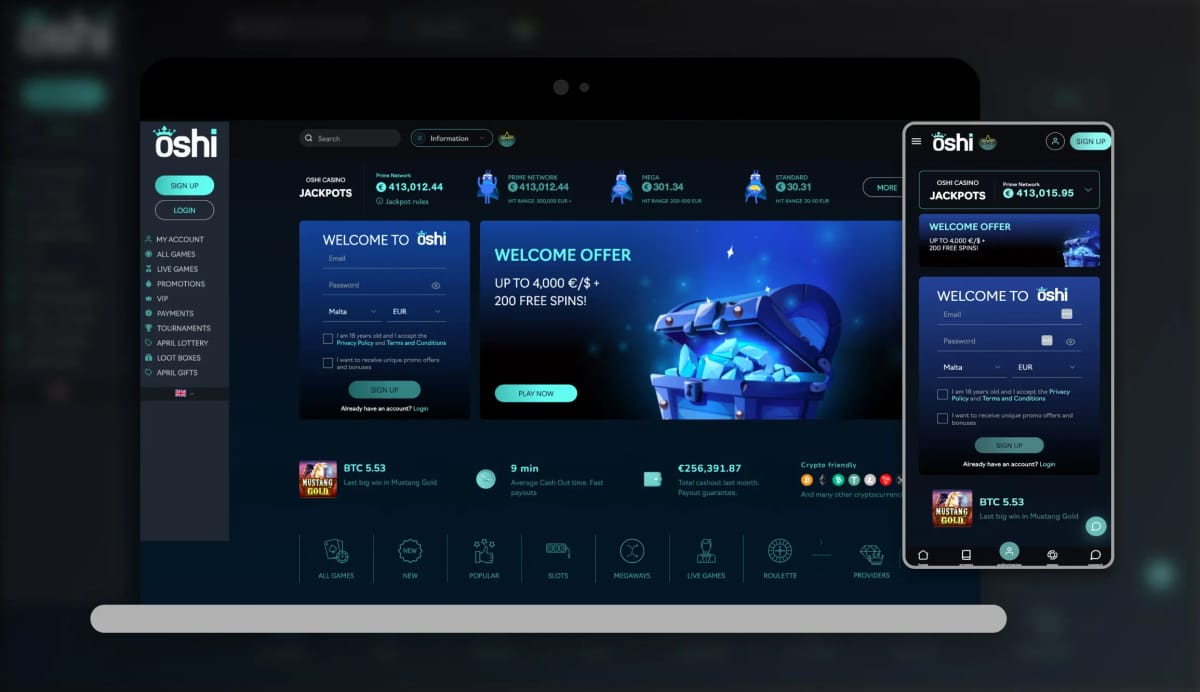
Most people do not begin with a big deposit. They open the lobby, scan the menu, check whether the cashier feels clear, and look for the account section before doing anything else. Imagine you log in after work and want a fast read on the platform: you will likely judge it by how quickly you can move from the homepage to games, profile settings, payment options, and support. That first impression matters because a busy layout often leads to rushed choices, while a cleaner one lets you compare categories, read basic terms, and decide whether the experience fits your pace.
For Canadian users, the practical question is not only "Does it look good?" but "Can I understand what to do next without guessing?" A useful gaming platform usually makes the path obvious: create an account, confirm details, choose a payment route, test a few titles, and keep control of your spending from the start. Players often pause here and check small things that shape later comfort - language clarity, visible limits, help sections, and whether the cash desk feels simple rather than crowded. That is a better starting point than chasing hype.
 AÌÂA̺AÌÂA̾AÌÂAÌ¿NIÌÂAÌÂNIÌÂAÌ 5.webp)

Registration, Verification, And First Deposit
Opening an account is usually straightforward, but the smart approach is slower than many expect. You enter your basic details, create sign-in credentials, confirm age eligibility, and review the profile area before money goes in. Picture a new player in Canada who wants to join quickly on a phone during a lunch break: the tempting move is to tap through every field and come back later. In practice, it is better to stop for one extra minute and check spelling, date of birth, contact details, and any requested identity information, because small errors often create bigger delays later when the player wants a payout.
After the profile is set, most people head straight to the cashier. This is where discipline matters. Instead of loading a large amount, many experienced users start with a smaller test deposit, explore the interface, and see how balance updates, game filters, and account controls work in real use. If the platform includes limit tools, this is the right moment to set them before the session starts, not after a losing streak. The point is simple: build a routine first, then decide whether the lobby deserves more time.
A useful way to compare early account steps is to think about task flow rather than promises. The table below shows what players usually evaluate before settling into regular sessions.
| Area | What Players Usually Check | Why It Matters |
|---|---|---|
| Sign-up form | Number of fields, clarity of instructions, error messages | Fewer mistakes now often means fewer support requests later |
| Profile section | Personal details, age confirmation, account settings | Accurate data helps avoid friction during verification |
| Cashier | Deposit routes, limits, minimum and maximum fields | A clear cashier supports planning instead of impulsive top-ups |
| Game lobby | Category filters, search, demo access where available | Easy navigation helps users test the platform before committing |
| Responsible play tools | Deposit caps, breaks, timeout, self-exclusion | Control features work best when set before emotions rise |
| Help options | Live assistance, contact form, FAQ topics | Quick support becomes important when payment or access issues appear |
 AÌÂA̺AÌÂA̾AÌÂAÌ¿NIÌÂAÌÂNIÌÂAÌ 2.webp)
Game Selection And Session Planning
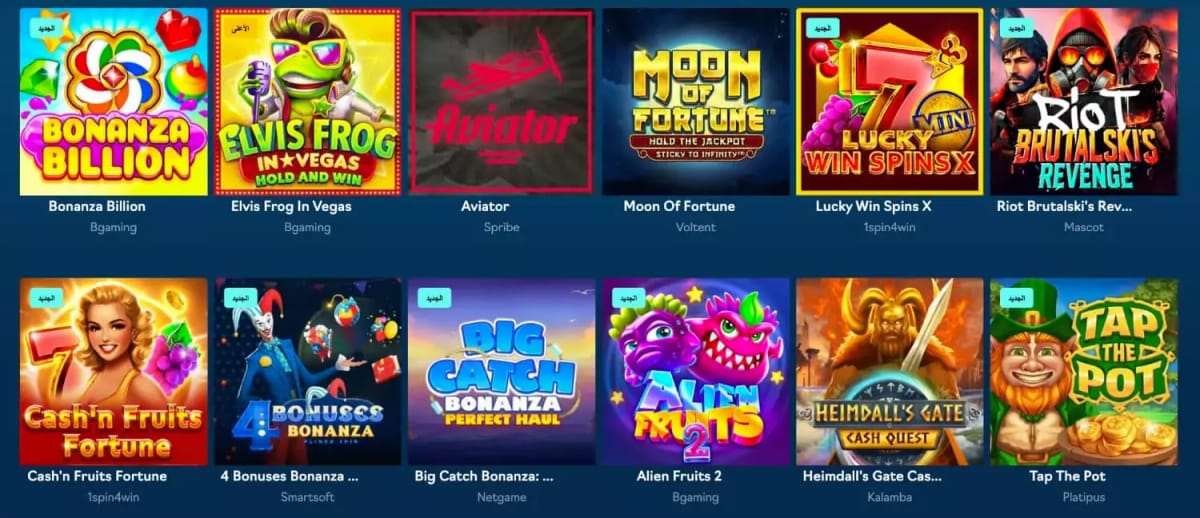
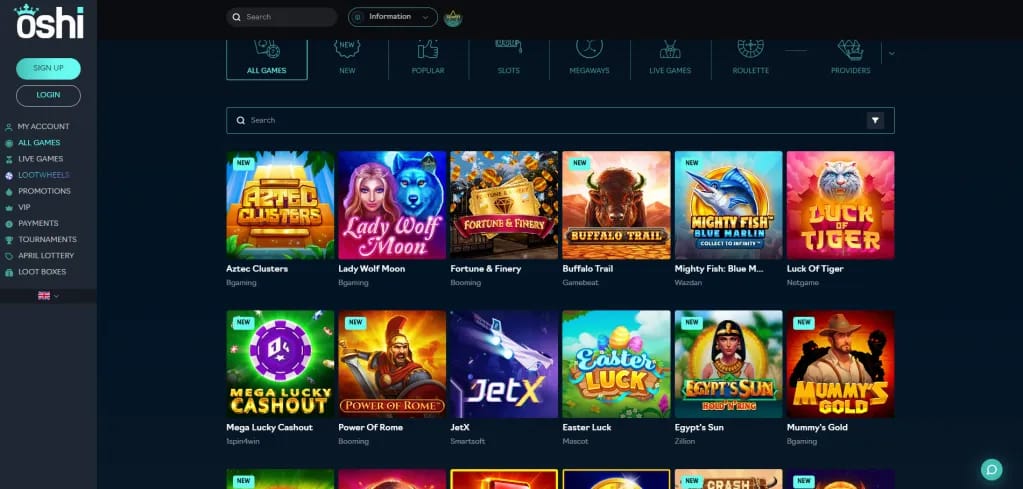
A strong lobby is not just about how many titles appear on screen. It is about whether you can move through them without wasting time. Most players begin with broad categories, then narrow the list by style, pace, or feature. Imagine you have twenty minutes and want something simple: you will probably search by category, open a familiar format first, and only then test something new. That sequence sounds basic, but it prevents random clicking and helps you notice whether the platform is built for actual play or just visual noise.
Session planning belongs here too. Before the first round, sensible users decide how long they will stay, how much they are willing to risk, and when they will stop. If a platform offers reminders or cooling-off options, they are more valuable than flashy banners because they shape behavior. A short session with a defined limit often feels better than a long one driven by impulse, especially when you are still learning how the lobby works.
How Players Usually Test New Titles
Most users do not jump straight into unfamiliar games with a full balance. They look at rules, check volatility cues if those are shown, and compare pacing before spending much. Picture someone trying a new release late in the evening: a careful player watches the rhythm first, notices how bonus features trigger, and decides whether the game suits a short session or a longer one. That small pause can save both money and frustration. Testing is also about mood. Fast play can feel entertaining for ten minutes and exhausting after thirty, while slower formats may look dull at first but fit better when you want control. Many people end up choosing a game not because it is trendy, but because its pace matches the budget and time they already set. That is a better filter than excitement alone.

Payments, Limits, And Withdrawal Routine
Money management is where a casual account becomes a serious habit. Canadian players usually judge a platform by the clarity of the cashier, the ease of choosing a method, and the visibility of restrictions before they confirm a transaction.
Bonuses, Support, And Safer Play Tools
Promotions draw attention, but they should never be the only reason to open an account. Smart players read how an offer works, what actions are required, and whether the terms fit their budget and playing style before they opt in.
Mobile Navigation And Account Comfort
Phone play changes the whole experience. Buttons feel larger or smaller, menus collapse, and payment steps can either become smoother or more confusing. Imagine you are commuting and using one hand: suddenly the quality of the navigation matters more than any marketing line. Good mobile design reduces taps and keeps key actions visible.
Building A Personal Routine That Stays Sustainable
The most reliable players do not depend on willpower alone. They build a repeatable routine: small deposit, fixed session length, clear stop point, and no impulsive top-ups after frustration. The goal is not constant activity. It is controlled use that stays inside personal limits and the 18+ framework that applies in Canada.
Who This Platform Fits Best
This kind of platform usually suits adults who want structure more than spectacle. It works best for players who like to compare payment routes, review account settings, and test the lobby before committing serious money. Imagine two users: one wants instant action and ignores every setting, the other spends ten minutes checking limits, profile accuracy, and help options. The second player will almost always have the smoother experience because the system rewards preparation.
That does not mean every user needs a complicated routine. It simply means the best results come from clear steps: register carefully, verify cleanly, deposit with a plan, choose games that match your pace, and keep withdrawal details accurate. For Canadian adults, that is the most practical way to judge whether Oshi deserves a place in their regular rotation.
FAQ
Most adults begin by creating the account carefully, checking profile details, and setting a small budget before they explore the lobby. Imagine joining after work with limited time: the safer approach is to test navigation, review payment settings, and play a short session first instead of chasing a fast result. That early structure makes later decisions much easier.
It helps to confirm that your name, contact details, and age information are accurate before you use the cashier. If you picture a player trying to cash out later, most delays start with small profile mistakes made during sign-up, not with the payment itself. A quick review now saves unnecessary support conversations later.
Limits move decisions from the emotional moment to a calmer one. Usually players set them once, then let the account enforce the boundary when a session becomes frustrating or too long. Imagine a weekend session stretching past the original plan: a cap or timeout creates a natural stop before one extra top-up turns into several.
A useful test is to compare pace, complexity, and how much attention the title demands. If you are trying something unfamiliar, many players watch the rhythm first, check the rules, and decide whether it fits a short or longer session. That small pause often matters more than the game's theme or promotion.
Usually the best time is as soon as a problem becomes clear and before you repeat the same action several times. Think of a payment issue or access problem: one concise message with the time, method, and summary of what happened is far more effective than a rushed complaint with missing details. Clear reports tend to get clearer answers.
A timeout is generally used for a temporary break, while self-exclusion is the stronger step for people who need longer distance from gambling activity. Imagine noticing that sessions are becoming emotional or too frequent: a short pause may be enough in one case, but in another situation firmer separation is the smarter choice. Both tools exist to restore control.
Players who do well here are usually the ones who like clear steps and do not mind checking settings before they play. Picture someone who verifies details, chooses a budget, and leaves when the session ends - that person will usually feel more comfortable than someone who rushes every decision. Preparation often shapes the whole experience.